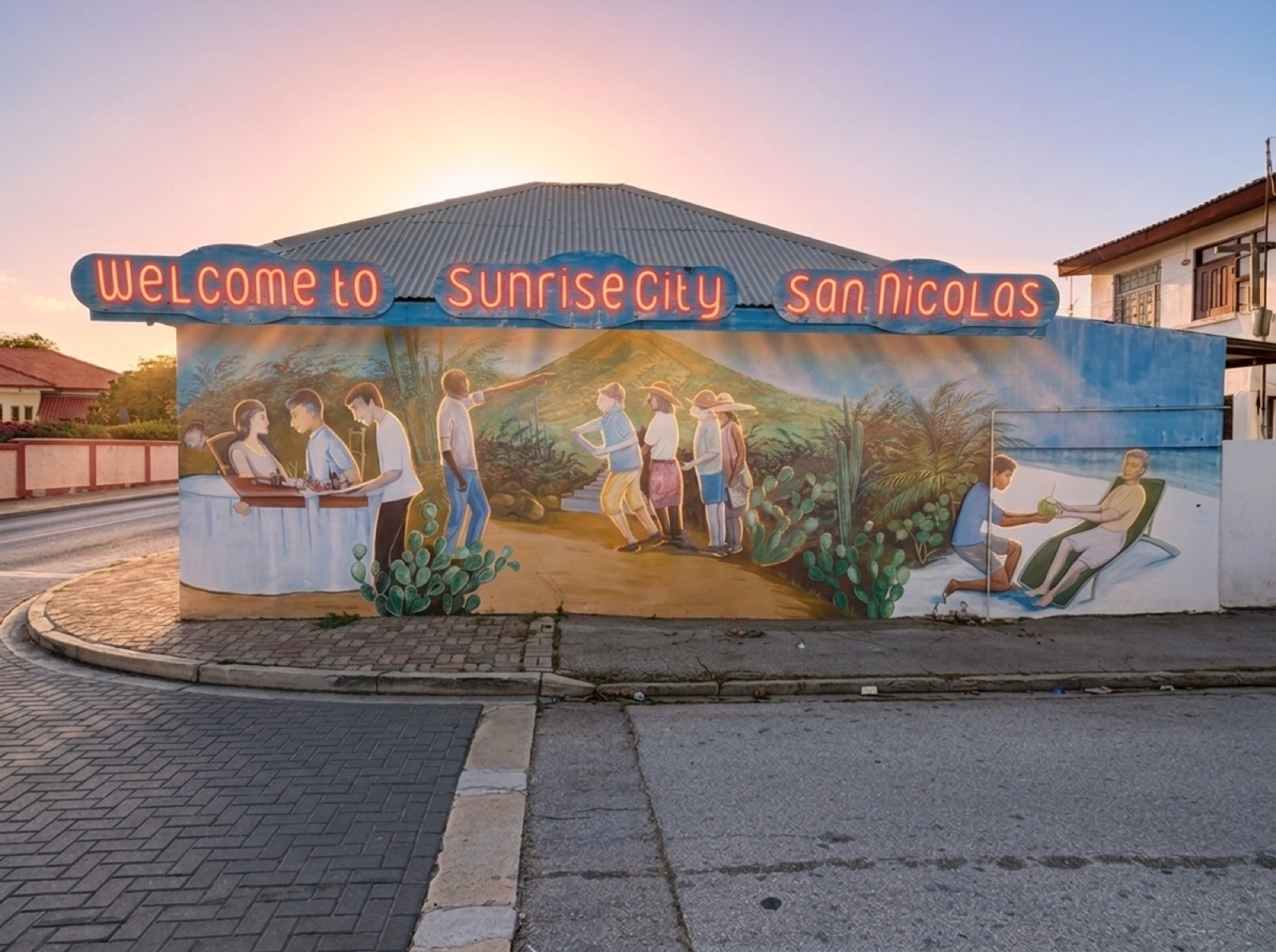
Short answer: yes — Aruba is one of the safest islands in the Caribbean, and it's not close. We live here, we walk these streets with tourists' kids every week, and we'd rather give you the real picture than a brochure: here are the actual numbers, the honest answer about San Nicolas, and the two risks that genuinely deserve your attention (neither is crime).
What the official ratings say
- The US State Department rates Aruba Level 1 — "Exercise Normal Precautions" — its lowest possible risk category, shared with countries like Japan and Switzerland.
- European and Canadian advisories agree: no significant warnings for tourists.
- Aruba welcomes over 1.5 million visitors a year and consistently ranks in the Caribbean's top five safest destinations.
The actual numbers
Aruba's homicide rate runs around 1.9 per 100,000 — below the world average (≈5.2) and a fraction of the Americas average (≈20.8). Violent crime against visitors is rare. What does exist is what exists at every beach destination on Earth: opportunistic petty theft — the phone left on a towel, the bag visible on a rental-car seat, the wallet in an unzipped backpack. It's preventable with habits you already have.
The honest San Nicolas answer
Some older guidebooks treat the south of the island with suspicion, so let's be direct, since our quest runs through it: daytime San Nicolas is safe, welcoming, and genuinely the most interesting town on the island. The mural district is visited by tour groups daily, the streets around Main Street are full of cafés and working businesses, and the town has staked its revival on visitors feeling at home — that's the whole story of the street-art renaissance. Use small-city sense: come in the morning (the murals are prettiest then anyway), keep your phone in your pocket between photos, and don't wander dark side streets after the cafés close. Thousands of visitors do exactly this every week without incident.
The two risks that actually matter
- The sun. The constant trade wind makes 88°F feel like 80°F while the UV index sits at extreme. Sunburn and dehydration send more tourists to the pharmacy than everything else combined. Water, hat, reef-safe sunscreen, shade at midday.
- The sea (in specific spots). The leeward beaches — Palm and Eagle — are calm as pools. The wild northeast coast is not for swimming, and at Baby Beach the current outside the lagoon mouth is serious. Swim where the locals swim.
Quick answers
At night? Tourist areas are lively and well-lit — normal city habits apply.
Tap water? Excellent — distilled seawater, among the best in the world. Skip the bottled water.
Solo travelers? One of the easiest islands anywhere: walkable, English-speaking, reliable buses and taxis.
Hurricanes? Aruba sits outside the hurricane belt — direct hits are extremely rare. More on weather in our best time to visit guide.
Renting a car? Safe and easy — just never leave anything visible in it at beach parking lots.
Explore it the local way
Two self-guided story quests — a street-art mystery in San Nicolas, a kids' treasure hunt on Palm Beach. Real streets, real voices, zero worries.
The Secrets of San Nicolas Mr. Pineapple's Treasure Hunt